
Nevada judge sends Kalshi and Polymarket disputes back to state court, clearing path for regulator action
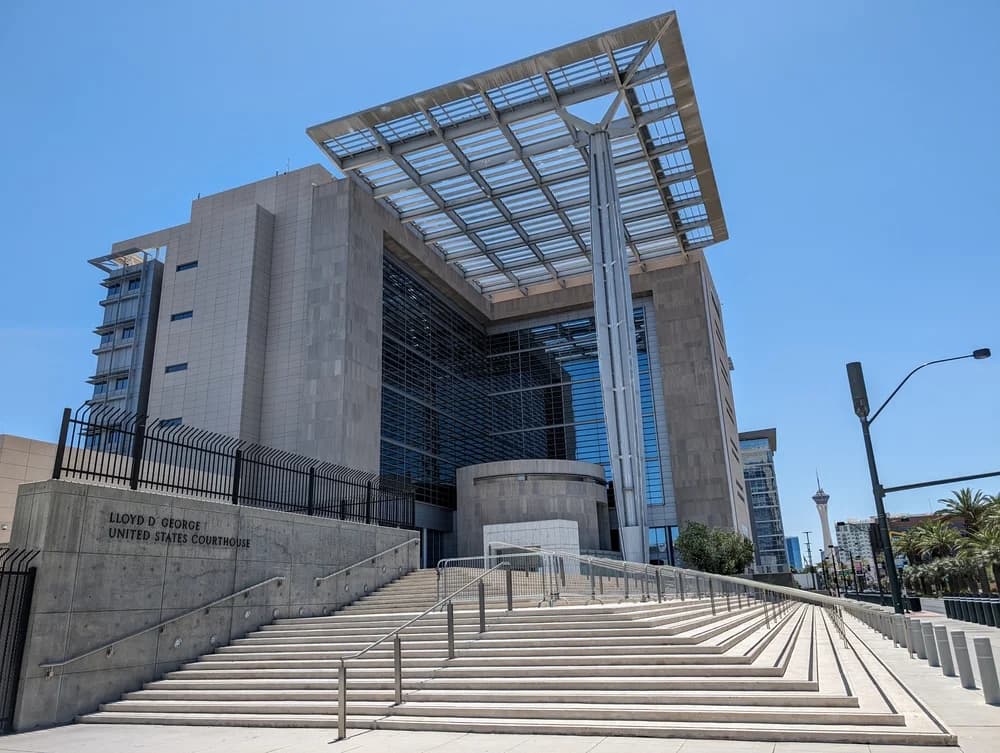
A Nevada federal judge has remanded disputes involving Kalshi and Polymarket back to state court, a shift that clears the way for Nevada regulators to pursue rapid orders that could restrict prediction market contracts offered to residents.
Liam O'Brien
• A federal judge in Nevada has remanded enforcement disputes involving Kalshi and Polymarket back to Nevada state court.
• The orders remove a key procedural obstacle that had kept the litigation in federal court.
• Nevada regulators are expected to seek rapid state court relief against Kalshi, including potential geofencing requirements.
• Polymarket failed to persuade the judge it qualified for a federal forum under a federal officer argument.
• The decisions sit within a wider US conflict over whether prediction market contracts fall under federal derivatives oversight or state gambling control.
A federal judge in Nevada has returned two closely watched disputes involving prediction market platforms Kalshi and Polymarket to state court, in a move that strengthens the hand of Nevada gaming regulators seeking to block the services within the state.
Judge Miranda Du of the US District Court for the District of Nevada issued orders dated 2 March that remanded civil actions involving both platforms to the First Judicial District Court in Carson City. The decisions were first highlighted publicly by gaming attorney and analyst Daniel Wallach.
The remand orders reject attempts by the companies to keep the cases in federal court, where both platforms have argued that federal commodities law displaces state gambling oversight. With the disputes now back in state court, Nevada regulators have a clearer procedural route to pursue near term remedies aimed at stopping the services from offering event based contracts to Nevada residents.
For Kalshi, the immediate risk is an attempt by the Nevada Gaming Control Board to secure a temporary restraining order compelling the company to cease operations in the state, potentially paired with mandatory geofencing. The development increases legal pressure on the platform in Nevada, even as it continues to maintain that its contracts are swaps regulated by the Commodity Futures Trading Commission and that state level bans conflict with a federal framework.
Wallach has suggested that Kalshi could seek an emergency stay from the US Supreme Court, aiming to prevent a state court order from halting operations while the company continues its challenge to Nevada’s authority. Kalshi is already dealing with similar litigation pressure elsewhere, including a dispute in Massachusetts where an injunction has been stayed by the Massachusetts Appeals Court.
In the Polymarket case, Judge Du rejected a specific jurisdiction argument the company used to justify removal to federal court. Polymarket had claimed it was acting as a federal officer, a status that can in certain circumstances allow defendants to litigate in federal court. The judge found no basis for that characterisation. Polymarket was already subject to a state court temporary restraining order issued in late January, which remained in effect during the brief period the matter sat in federal court.
Nevada regulators argue that prediction market contracts tied to the outcomes of sporting events or elections amount to unlicensed gambling. They also contend that the platforms do not provide the consumer protections expected of licensed sportsbooks, including robust age checks and safeguards intended to reduce the risk of insider wagering.
The Nevada actions form part of a broader US dispute over how prediction markets should be classified and supervised. While a federal court in Tennessee has recently granted Kalshi a preliminary injunction against state regulators, other courts including those in Maryland and Massachusetts have supported state authority. The CFTC has backed the platforms in arguing that state by state intervention would fragment the derivatives market.
The procedural outcome matters as much as any eventual merits decision. By sending both disputes back to Nevada state court, the judge has reduced the platforms’ ability to slow enforcement through forum battles, and has increased the likelihood of fast moving interim orders that can disrupt operations before the deeper legal questions are resolved.
Nevada’s posture also highlights why this category is so contentious for gambling regulators. Sports and election style contracts look and feel like wagering to many state authorities, yet the platforms frame them as federally regulated derivatives. The gap between those two narratives is where enforcement risk sits, and it is why temporary restraining orders and geofencing demands have become the practical battleground.
For operators and investors watching the US market, the message is that regulatory fragmentation is not a theoretical risk. It is already shaping product availability in key states and creating uneven competitive conditions. Until higher courts settle the pre emption question, prediction market platforms will need to plan for a patchwork reality, with legal spend, rapid compliance pivots, and the possibility that operational continuity depends on the next procedural ruling rather than a final judgement.
Enjoyed this article? Share it: