Brazilian Ministry of Finance Backs Significant GGR Tax Hike, Facing Industry Opposition
 By Liam O'Brien · Contributor2 min read
Brazil’s Ministry of Finance has approved a Provisional Measure to raise the tax rate on gross gaming revenue (GGR) from 12% to 18%. This drastic decision, aimed at boosting the country’s economy, has ignited strong opposition from industry associations concerned about its potential impact on market sustainability and the unintended growth of the black market.
The government’s move to increase the GGR tax comes as it seeks alternative means to bolster the national economy, particularly after a previously proposed hike in the Financial Transactions Tax (IOF) was shelved amid fears of reduced investor confidence. Finance Minister Fernando Haddad commented on the decision, as reported by iGaming Times, stating that this Provisional Measure will allow for the recalibration of the IOF decree. Its new version, he conveyed, will focus on regulatory aspects, enabling a reduction in the tax rates outlined in the original decree, which will be revised accordingly.
Industry Raises Alarm Over Increased Tax Burden
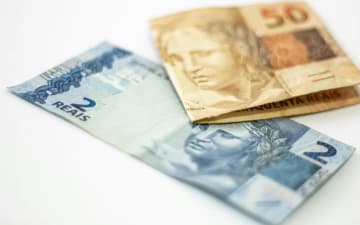
The Ministry of Finance’s decision is expected to be a significant blow to operators aiming to gain a substantial share in Brazil’s burgeoning betting market. Recent estimates, as reported by iGaming Times, indicate that the Brazilian betting market is generating around R$2.8 billion (approximately €440.5 million) in monthly turnover. Federal receipts via DARF Form 5862, the payment channel for fixed-odds betting tax, already contributed approximately R$755 million in the three months between February and April.
The proposed rise in GGR tax is anticipated to position Brazil near the top of international markets when it comes to iGaming tax, potentially diluting its allure among global players. The current tax framework for operators already includes a 12% gaming tax, 9.25% in PIS/COFINS, up to 5% in municipal services tax (ISS), and 34% in corporate profit tax. Concerns are mounting that if a potential Selective Tax (a form of “sin tax” currently under discussion) is added, effective tax rates could approach 50%. This threshold, many in the industry fear, would deter crucial investment and undermine market sustainability in its nascent regulated phase.

A coalition of trade associations, spearheaded by the Instituto Brasileiro de Jogo Responsável (IBJR), has publicly called for a revision of this tax policy, noting that operators in Brazil already face a substantial tax burden. The IBJR, alongside the Associação Nacional de Jogos e Loterias (ANJL), has warned that the proposed tax hike could push the effective burden above 35% once corporate, municipal, and social contribution taxes are fully taken into account. A joint statement from the coalition, as reported by iGaming Times, described the proposed tax changes as “unjustifiable from any technical, economic or public policy perspective.”
Black Market Growth Concerns
The IBJR-led coalition further warns that imposing higher taxes could prompt licensed operators to relinquish their licences, which would risk further emboldening Brazil’s black market. The illegal market is currently estimated to generate approximately R$6.5 billion to R$7 billion per month, a figure significantly larger than the regulated sector’s reported turnover. This substantial difference fuels fears that an overly burdensome tax environment for legal operators could inadvertently expand the illicit market, undermining the government’s efforts to regulate the sector effectively and generate tax revenue for public services.
The Brazilian government’s move to significantly increase GGR tax, while aimed at boosting the economy, is facing strong industry opposition. Fears persist that over-taxation could lead to reduced investment, compromise market sustainability, and, critically, inadvertently strengthen the black market, thereby counteracting the very goals of effective regulation and revenue generation. The outcome of this debate will be crucial for the future landscape of Brazil’s newly regulated betting industry.