Connecticut Orders Nine Prediction Markets to Stop Sports Contracts
 By Antonina Tupikova · Founder, iGaming Times3 min read
Polymarket, Coinbase, Robinhood and six others have been told to cease and let residents withdraw their money, while PayPal, Sportradar, Genius Sports, ESPN, Apple and Google have been subpoenaed for what they know.
- Connecticut's Department of Consumer Protection has issued cease-and-desist orders to Polymarket, Coinbase, Crypto.com, Robinhood, ProphetX, Novig, Webull, Gemini and Underdog Predict, Governor Ned Lamont announced on 10 September
- The nine platforms must stop advertising, offering or making available sports event contracts to Connecticut residents and must let residents withdraw any funds they hold
- Nearly 30 subpoenas went to nine licensed gaming service providers, including PayPal, Plaid, Sportradar, Genius Sports and Socure, 15 media organisations including ESPN and the Hartford Courant, and Apple, Google and Stripe
- The regulator says the platforms have accepted wagers from people under 21 and from those on the state's self-exclusion list, and have offered contracts on Connecticut college sports
- The action follows the state's lawsuit against Kalshi and an August federal ruling that sports event contracts are unlicensed gambling
The State Has Moved From One Defendant to the Whole Sector
Connecticut has widened its campaign against sports prediction markets from a single lawsuit against Kalshi to formal orders against every other significant platform offering sports contracts in the state, and has served subpoenas on the payment, data and media companies that make the business work.
Governor Ned Lamont and Consumer Protection Commissioner Bryan T. Cafferelli announced the actions on 10 September. According to the Governor's office, the Department of Consumer Protection (DCP) issued nine cease-and-desist orders during the week to Polymarket, Coinbase, Crypto.com, Robinhood, ProphetX, Novig, Webull, Gemini and Underdog Predict. All nine are ordered to immediately cease advertising, offering, promoting or otherwise making available sports event contracts, or any other form of unlicensed online gambling, to Connecticut residents, and to allow residents to withdraw any funds the platforms hold. Failure to comply may bring civil penalties under the Connecticut Unfair Trade Practices Act and criminal penalties under the state's gaming statutes.
"Prediction markets have branded themselves as legal and safe, but the reality is they are not adhering to Connecticut's consumer protection standards and gaming laws, and they are not being truthful when they tell consumers that their activities are legal," Lamont said. "When we legalized sports wagering in 2021, the goal was to create a safe, responsibly regulated market for Connecticut consumers, not to open a free-for-all."
The state's case is that the platforms are known to accept wagers from prohibited bettors, including people under the legal betting age of 21 and people on Connecticut's voluntary self-exclusion list, and that they offer contracts on Connecticut collegiate sports, which state law prohibits to protect college athletes from influence and harassment. "Our laws are clear: sports betting may only be offered by legal, licensed sportsbooks that adhere to our regulations and technical standards," Cafferelli said.
The Subpoenas Reach the Plumbing
The second half of the announcement is the more unusual one. DCP has issued subpoenas to nine holders of Connecticut gaming service provider licences: PayPal, Plaid and Paysafecard as payment processors, LexisNexis and Socure as identity and know-your-customer providers, Integrity Compliance 360, and the sports data companies Sportradar Solutions, Genius Sports Media and Genius Tech International. Fifteen media organisations received subpoenas, among them Hearst Connecticut Media, the Hartford Courant, ESPN, NBC Connecticut, iHeartMedia and Audacy. A further group of app stores and non-licensed payment companies was subpoenaed: the Apple App Store, Google Play, Apple Pay, Google Wallet and Stripe. The Governor's office stressed that none of the subpoenaed businesses is under investigation; they may hold information relevant to the state's inquiry into prediction market operations.
The scale of the target is set out in the release. The American Gaming Association estimates $40 billion will be wagered on the NFL through prediction markets this year, and on the first day of the 2026 college football season one platform reported nearly $250 million in trading volume on college football alone. Connecticut's licensed sports betting market consists of DraftKings through Foxwoods, FanDuel through Mohegan Sun and Fanatics through the Connecticut Lottery.
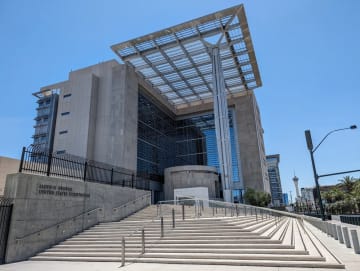
Connecticut has already sued Kalshi, the largest operator, seeking an injunction and the return of what it took in the state, and in August a federal judge in Connecticut ruled that sports event contracts are illegal unlicensed gambling not protected by federal commodities law.
Subpoenaing the Licensees Turns the State's Own Supply Chain Into a Witness
Every company on the licensee list holds a Connecticut gaming service provider licence because it serves the state's legal sportsbooks. The same payment rails, identity checks and data feeds that DraftKings, FanDuel and Fanatics use are, on the state's account, being supplied to platforms it says are operating illegally, and those suppliers now have to answer under subpoena for what they know about it. That is a pressure point no lawsuit against an exchange can reach. Sportradar and Genius Sports hold official league data rights; Socure and LexisNexis verify ages; PayPal and Plaid move the money. A licensed supplier that keeps serving a platform after its regulator has declared that platform illegal is putting its own licence in question, and the subpoenas make that risk explicit without the state having to allege anything against the suppliers themselves. If the strategy works, prediction markets lose their infrastructure in Connecticut before any court rules on the underlying question, and other states with the same licensing structure will have a template.
The Withdrawal Order Is the Part the Platforms Cannot Argue With
Cease-and-desist letters have been arriving at prediction markets from state regulators for a year, and the platforms' answer has been consistent: the contracts are CFTC-regulated derivatives and states have no authority over them, a position the CFTC itself has litigated on their behalf. Connecticut's federal court has already rejected that theory once, which gives these orders more weight than most. But the instruction to let Connecticut residents withdraw their funds is different in kind. It does not depend on who regulates the product; it is a consumer-protection demand that a company holding money for people it may soon be barred from serving must give it back. Refusing that instruction while contesting the rest would be a poor look before the same judge who found the contracts to be sports wagers. Expect the platforms to comply with the withdrawal demand, geofence Connecticut, and fight the substance elsewhere.
Connecticut has stopped arguing about one exchange and started dismantling the market's access to the state. The suppliers, not the exchanges, will decide how quickly that works.