Springfield Asks a Judge to Pull MGM's $500m Casino Sale Claim Out of Private Arbitration
 By Antonina Tupikova · Founder, iGaming Times3 min read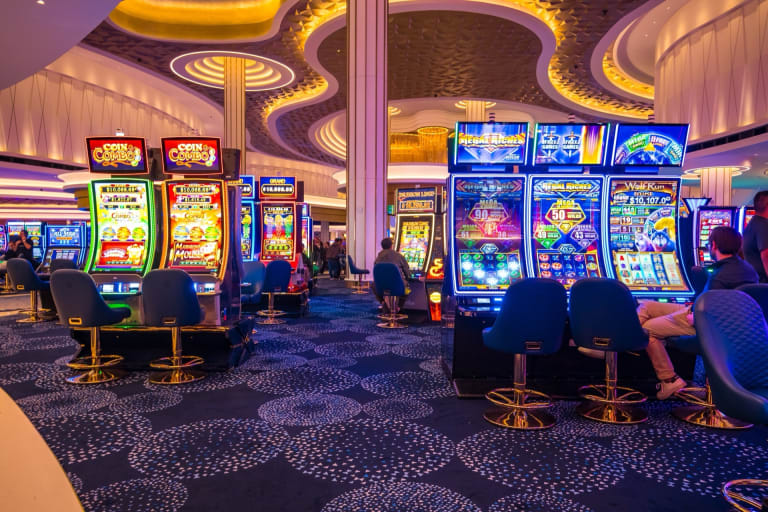
MGM Resorts says the city of Springfield owes it about $500 million for sitting on the sale of MGM Springfield for two years. The city wants a judge, not an arbitrator, to decide whether it can keep saying no.
- The city of Springfield asked Judge Jeffrey Trapani of Hampden County Superior Court on Wednesday to move its disputes with MGM Resorts International out of closed-door arbitration and into open court, according to MassLive; a ruling is expected in a few weeks
- MGM's request for arbitration claims the city owes $500 million in damages because the sale of MGM Springfield's operations to Canadian private equity firm Clairvest has languished for two years, MassLive reported
- MGM says a 2021 transfer restriction agreement compels arbitration; the city says its consent rests on the 2013 host community agreement, which it sued MGM to enforce on 3 September
- The city says MGM Springfield has missed its pledges: it employs about 1,655 people against a promised 3,000 and runs 1,519 slots and 60 table games, MassLive reported
- A buyer would also need the Massachusetts Gaming Commission's approval, and the commission's website shows no Clairvest application
Springfield Wants the Fight Over Its Consent Heard in Public
The city of Springfield, Massachusetts, argued at a hearing on Wednesday 14 October that its dispute with MGM Resorts International over the sale of MGM Springfield should be decided in court rather than in private arbitration, MassLive reported. MGM has said the city is unfairly delaying its plan to sell the casino's operations to Clairvest, and in its request for arbitration it claims the city owes $500 million in damages now that the sale has languished for two years, according to the report. The arbitration papers are not public, and iGaming Times has not seen them.
Before Judge Jeffrey Trapani, MGM's lawyers argued that Springfield had not acted in good faith, and pointed to a "transfer restriction agreement" with the city that MGM says compels arbitration rather than litigation. City Solicitor Stephen Buoniconti said that agreement was signed later, after MGM sold the site's real estate in 2021 while keeping the operations, and covers matters such as real estate and corporate takeovers. In the city's view, its say over who owns the casino rests in the 2013 host community agreement. "MGM is trying to compel the city's consent," Buoniconti said after the hearing. MGM's legal counsel in the courtroom declined to comment, according to MassLive.

The hearing follows the city's lawsuit of 3 September, announced by Mayor Domenic Sarno after what he said were nearly two years of talks over "non-compliance issues." The city alleges that MGM and its Blue Tarp reDevelopment subsidiary have not employed at least 3,000 people, have not provided 2,800 to 3,000 slot and video gaming machines and 75 to 100 table games, and have left 101 State Street behind scaffolding for seven years. MGM called the suit "frivolous" and said it told the mayor of the sale in early 2024 and agreed to the city's preferred plan to turn 101 State Street into a hotel.
The gap the city points to is wide. MGM Springfield's payroll stands at about 1,655, including part-time and on-call staff, and the floor holds 1,519 slots and 60 table games, according to Gaming Commission figures cited by MassLive. The casino opened in August 2018 at a cost of about $960 million, according to Casino.org, and took $23.8 million of gaming revenue in August, nearly a quarter of the state's casino total.
Clairvest Has Done This Deal With MGM Before
MGM's statements have not named the buyer, and Clairvest has made no announcement about Springfield. The Toronto firm bought the operations of MGM Northfield Park in Ohio for $546 million in cash, completing on 21 April, according to MGM's quarterly report for the period to 30 June; MGM booked a $255 million gain and its annual rent to VICI Properties fell by $53 million. Clairvest called Northfield its 17th gaming investment. The same report, filed on 29 July, does not mention a Springfield sale or the dispute, and no price has been disclosed.
The $500 Million Figure Is a Lever, Not a Valuation
The damages claim matters less as a number than as a threat. It sits in MGM's arbitration request, not in any ruling, and nothing public shows how it was calculated or whether the transfer restriction agreement entitles MGM to damages if the city withholds consent. What it changes is the city's calculation: a refusal reviewed by a judge costs Springfield little, while one reviewed by an arbitrator could cost a great deal. If Trapani keeps the dispute in court, every allegation becomes a public record; if he sends it to arbitration, both the city's leverage and the claim against it are settled privately.
The City's Strongest Claims Are Also Its Softest
The shortfalls look stark, but the city's own April 2013 summary of the agreement describes the jobs pledge as a "best efforts" obligation to employ 3,000 workers, 2,200 of them full time, "upon opening." It put the floor at not less than 3,000 machines and 75 table games; the range the city now cites suggests later revisions, and the current text has not been published. A best-efforts clause works better as a bargaining chip than as a breach. Section 8 of the same summary is clearer: neither the developer nor any 5% owner may transfer its interest without the city's consent. Springfield's case is less that MGM broke the agreement than that it may say no until MGM, or Clairvest, gives it something.
Even a Yes Leaves the Gaming Commission's Clock Unstarted
Massachusetts gaming law bars a contract that requires the buyer to be licensed from closing earlier than 121 days after a completed application, and lets the deal terminate without liability if the commission finds the buyer unsuitable. When the casino's real estate passed from MGM Growth Properties to VICI in 2021, the transfer went through an interim authorisation hearing before final approval. The commission's website shows no Clairvest filing, so even a settlement this autumn would leave a sale months from closing. For MGM, which stayed standalone after People Inc. withdrew its bid, the Northfield template is the point: shed a regional operation, cut the rent, book the gain. Smaller operators are making the same trade, as Century Casinos did in Alberta.
MGM wants a forum where Springfield's refusal has a price, and Springfield wants one where it does not. Trapani's ruling will decide which of them negotiates from strength.