Loterj Moves to Comply With Brazil's Ban as Clubs Meet the Government Over R$1 Billion
 By Antonina Tupikova · Founder, iGaming Times3 min read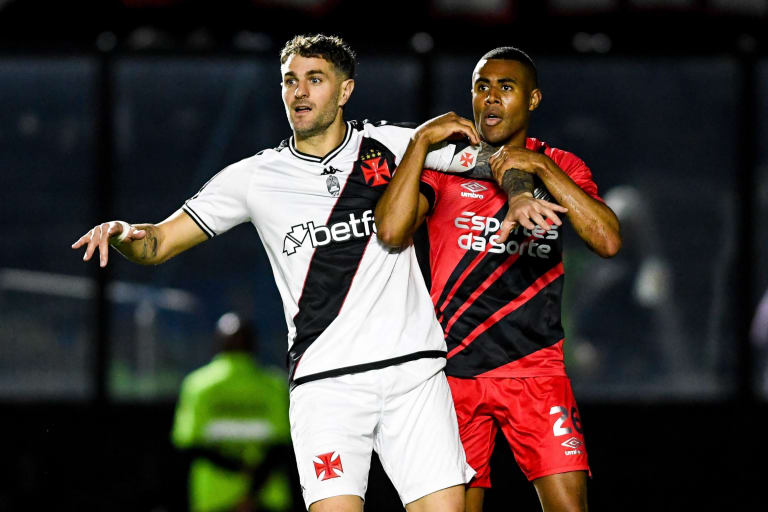
Brazil's betting ban does not stop at the federal licences: it also ends the fixed-odds licences issued by the states, and Rio de Janeiro's lottery says it will comply. Football, which took more than R$1 billion from betting sponsors last year, meets the Sports Ministry in Brasília on Tuesday.
- The Rio de Janeiro State Lottery (Loterj) says it is taking the measures needed to comply with Provisional Measure 1.394 and is guiding its accredited operators through the transition, while its other lottery products continue
- The measure applies to fixed-odds betting in the states and the Federal District and extinguishes state concessions and authorisations on the same 30-day timetable as the federal licences, with no compensation provided
- Rio de Janeiro, Paraná, Minas Gerais, Maranhão and Paraíba are among the states that had opened their own fixed-odds markets, according to CNN Brasil and BNLData
- Eleven São Paulo clubs, including Corinthians, Palmeiras, Santos and São Paulo, met at the São Paulo Football Federation on Monday and agreed to act jointly, while each negotiates with its own sponsor
- The Sports Ministry has invited clubs from all four national divisions and the state federations to a meeting in Brasília on Tuesday, days before betting advertising and sponsorship must be removed by the ban's deadline
The State Licences End on the Federal Timetable
In a short notice dated 26 September, Loterj said it "is adopting the necessary measures to comply" with Provisional Measure 1.394, which bans the exploitation of fixed-odds betting, including sports betting and online games. It is advising its accredited operators on the procedures for the transition. Its other lottery products "continue operating normally" in Rio de Janeiro, it said, as provided in the measure itself and "in line with ADPFs 492 and 493, in which the STF recognised the activity of state lotteries". It did not say whether the state would challenge the measure.
The measure leaves the states little room. Article 2 applies it to fixed-odds betting "in the States and the Federal District", and provides that state and district concessions, permissions and authorisations are extinguished within the 30-day period set for federal licences. The measure provides no compensation for the states' lost revenue or their existing contracts with accredited operators, BNLData noted. The wind-down and player refund rules apply to state operators "as appropriate", Article 26 requires the states to take the measures needed to comply, and Article 27 allows the federal government to sign enforcement agreements with them. Other lottery modalities authorised by law are untouched.

The provision matters because states across Brazil had built their own markets. A 2020 ruling of the Supreme Federal Tribunal (STF), in the cases Loterj cites, held unanimously that the federal government had no monopoly on running lotteries, and states used it to license fixed-odds operators. CNN Brasil names Rio de Janeiro, Paraná and Paraíba as states that launched their own licensing, and BNLData lists Rio de Janeiro, Paraná, Maranhão and Minas Gerais among those with fixed-odds platforms. According to CNN Brasil, state licences cost operators less than the R$30 million (approximately $5.8 million) federal authorisation and work on a regional basis. CNN Brasil reported that lawyers regard Article 2 as unconstitutional, while considering an STF decision before the election unlikely; the Lei em Campo newsletter noted that whatever the grounds for a challenge, the measure itself keeps no state licence in force.
Clubs Close Ranks, and Negotiate Alone
In São Paulo, representatives of Corinthians, Palmeiras, Santos, São Paulo, Red Bull Bragantino, Mirassol, Novorizontino, São Bernardo, Botafogo-SP, Ponte Preta and Juventus met at the headquarters of the São Paulo Football Federation (FPF) on Monday, with legal, marketing and communications staff, according to Gazeta Esportiva. The clubs agreed to act jointly on the financial consequences of the ban, while each remains responsible for negotiating with its own sponsors. The FPF led the clubs' manifesto of 17 September, "The End of Brazilian Football". Betting companies put more than R$1 billion (approximately $193 million) into clubs through sponsorship in 2025, and 14 of the 20 Série A clubs carry a betting company as main shirt sponsor, according to iGaming Brazil; UOL had put the figure at 13 before the ban.
The federal government has called football to Brasília. The Sports Ministry asked the Brazilian Football Confederation (CBF) to invite clubs from Séries A, B, C and D and the state federations to a meeting at 15:00 on Tuesday 29 September at the minister's office, according to Lance, which reported the invitation from Sports Minister Paulo Henrique Perna Cordeiro. The stated theme is "the strengthening of clubs and Brazilian football" through "institutional dialogue". It does not mention betting, and no support package has been announced.
The clock is set by the measure. Article 16 bans all betting advertising, marketing and sponsorship, and requires advertising material and sponsorship signs to be removed within ten days of publication, which falls on 5 October. Before the ban, operators had already notified clubs that their deals might be terminated.
The States Lose a Market the Supreme Court Let Them Build
The 2020 ruling gave the states the right to run lotteries, not the right to legislate on them, which remains a federal power under the Constitution. That distinction is why Loterj is complying rather than defying: a federal measure with the force of law can remove a lottery modality nationwide, and the STF's own precedent does not obviously stop it. The states' stronger arguments are narrower. They lose revenue, which Loterj for one says funds social projects, with no transition or compensation, and their licensees lose fees paid in good faith, the same grievance the federal licensees are pressing. Loterj's careful wording, citing the STF cases while promising compliance, keeps that door open without walking through it.
Clubs Acting Together but Signing Alone Favours the Sponsors
A joint front gives the clubs political weight in Brasília, but the money sits in individual contracts, and those contracts will be read clause by clause. Sponsors that are legally barred from advertising have a strong case for suspension or termination, and the removal deadline of 5 October arrives before any court or Congress can change the position. Felipe Kirchner, a public defender in Rio Grande do Sul, told ConJur that a ban could lawfully be imposed but needed an adaptation period, and that contracts between betting companies and clubs could lead to claims for compensation. Where a sponsor is legally barred from performing, such a claim may lie against the state rather than the sponsor, leaving clubs negotiating with partners who have little reason to keep paying.
The Government Is Offering Dialogue, Not Money, Before the Election
The ministry's invitation speaks of strengthening football, not of replacing betting revenue, and nothing has been announced to fill a gap of more than R$1 billion a year. The meeting falls five days before the first round of the presidential election on 4 October, in which the ban is a campaign issue. For the clubs, the question is whether the government has a funding answer; for the government, the meeting shows it is listening to an industry whose manifesto warned that football, not betting, would end.
Rio's lottery has accepted the ban's reach and the clubs are preparing for its cost. Whether either gets anything back depends on a government that has so far promised talks, and on a court whose 2020 ruling on the states may not reach this far.