Texas Lawmakers File Casino Amendments Capping Licences at 10 and Tax at 15%
 By Antonina Tupikova · Founder, iGaming Times2 min read
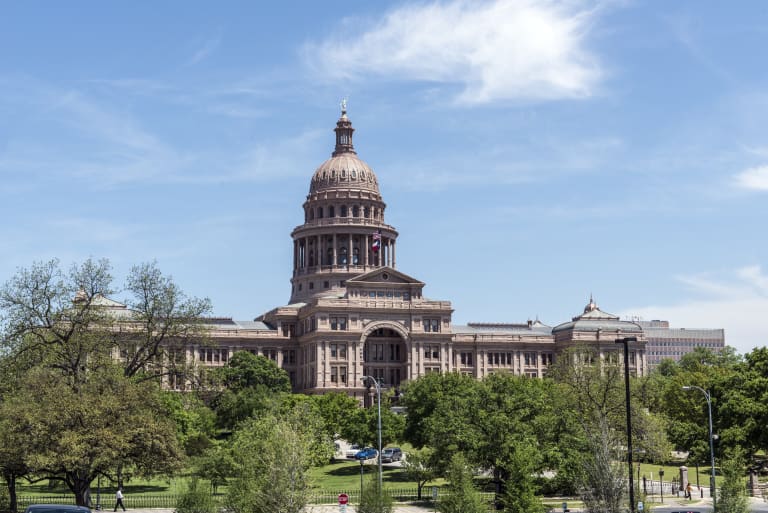
Representative Charlie Geren and Senator Carol Alvarado filed near-identical constitutional amendments on the first day of pre-filing. Neither comes with an enabling bill, and the Senate, which never took up the last House amendment, still holds the key.
- Representative Charlie Geren filed HJR 52 and Senator Carol Alvarado filed SJR 11 on 9 November, each proposing a constitutional amendment to let the Legislature authorise casino gaming and sports wagering
- Both would cap casinos at 10 licensed facilities, limit the tax on gaming revenue to 15% and confine casino gaming to licensed premises, but neither restricts sports wagering to premises
- SJR 11 adds a state commission with law enforcement powers over all lotteries, casino gaming and sports wagering, while HJR 52 leaves regulation to a future law
- Each needs two-thirds of both chambers before a statewide vote on 2 November 2027, and Republicans still hold the Senate 19 to 12 after Dan Patrick's defeat
- The first day's filings also include two Kickapoo tribal gaming amendments, a bill to abolish the state lottery and a prediction market bill with a minimum age of 21
Two Joint Resolutions, Not a Gaming Bill
Pre-filing for the 90th Texas Legislature opened on Monday 9 November, and Texas Legislature Online records two gaming amendments filed that day: HJR 52 by Representative Charlie Geren, a Fort Worth Republican, and SJR 11 by Senator Carol Alvarado, a Houston Democrat. Both would amend Section 47 of Article III of the Texas Constitution, which bars lotteries and gift enterprises other than those it lists. Neither legalises anything: each would let the Legislature authorise and "strictly regulate" casino gaming and sports wagering by general law.
That law would have to require licences and application fees and restrict casino gaming to "onsite casino gaming" at a licensed operator's physical premises. It would cap casino licences and locations at 10 facilities with terms of at least 40 years, tax casino and sports wagering revenue at no more than 15%, and bar any other gaming-specific state or local tax. The state would also have to negotiate, on request, a Class III compact with any of the three federally recognised tribes with Indian lands in Texas.
Both set the statewide vote for 2 November 2027. An amendment first needs two-thirds of the members elected to each chamber, 100 of 150 in the House and 21 of 31 in the Senate. The Legislature convenes on 12 January 2027.
Alvarado Adds a Regulator; Geren Repeats His 2025 Text
SJR 11 requires a commission, funded by lottery proceeds and gaming taxes and fees, with investigative, enforcement and audit powers over "all lotteries and gift enterprises", and it would decide where casinos and sports wagering may operate. HJR 52 leaves those choices to the Legislature.
HJR 52 repeats, word for word apart from the election date, Geren's 2025 resolution, HJR 137, which was referred to the House State Affairs Committee in March 2025 and went no further. Alvarado has changed course: her 2025 resolution, SJR 16, tied destination resort licences to racetrack associations, with a minimum investment of $2 billion in Dallas Fort Worth. SJR 11 adopts Geren's 10 licence cap instead.

Senator Roland Gutierrez filed SJR 12 and SJR 13, which would authorise the Kickapoo Traditional Tribe of Texas to conduct gaming, under a state compact and under state law respectively, according to their captions. Senators Bob Hall and Brent Hagenbuch filed SB 188 to abolish the state lottery. Representative Salman Bhojani's HB 598 would bar event contracts on deaths, wars, disasters and court cases, set a minimum age of 21 for prediction markets, and let the attorney general seek civil penalties of up to $10,000 per violation, or $25,000 for age breaches.
No Enabling Bill Leaves Mobile Betting Undecided
The House and Senate filed bills reports dated 10 November list no enabling bill for either resolution, so licensing, the actual tax rate and online play are left to a later law. Both texts confine casino gaming to physical premises but say nothing to confine sports wagering, so whether Texans could bet on their phones would be settled after a 2027 vote. The 15% figure is a constitutional ceiling, not a rate, and would bind future legislatures. A fixed number of resorts and a low cap suit the largest land-based groups; the online question stays open.
The Senate Is Still the Gate, Whoever Holds the Gavel
Geren's 2025 text never reached the House floor, and the Senate never took up the sports betting amendment the House passed in 2023. Lieutenant Governor Dan Patrick leaves office in January, but with 12 Democrats at least nine Republican senators must still vote yes. Alvarado's move from racetrack-linked resorts to a plain licence cap offers those senators a narrower measure than her 2025 version, and a single regulator answers the objection that expansion outruns enforcement. Neither change alters who controls the votes.
SJR 11 Would Put the Lottery Under a New Regulator
The Texas Lottery Commission was abolished in 2025 and its operations moved to the Department of Licensing and Regulation, Community Impact reports. SJR 11 would hand oversight of all lotteries to a new commission funded partly by lottery proceeds, while Hall's SB 188 would end the lottery altogether. Both cannot pass as written, and the lottery fight may shape the Senate's view of casinos.
The filings put a concrete, limited casino model in front of both chambers before the session opens. Whether it moves depends on at least nine Republican senators more than on the new lieutenant governor.