UK Government Rejects Lords Committee's Call for a Comprehensive Gambling Ad Ban
 By Antonina Tupikova · Founder, iGaming Times2 min read
The Government says regulated operators should be able to advertise responsibly and that a ban could blur legal and black market brands. It also turned down the committee's proposals on kit sponsorship, inducements, affiliates and under-25s, saying recent rules need time.
- The Government's response to the House of Lords Liaison Committee, published on 19 November, says it "will not take forward a comprehensive ban on gambling advertising", the committee's central recommendation in September
- It disagreed with banning gambling logos from all sports kit and from sports grounds, and said it is "not looking to ban gambling sponsorship for clubs below the Premier League" at this time
- Proposals for a single statutory advertising regulator, a ban on inducements, an affiliate licensing regime, a content marketing ban and limits on advertising to under-25s were also rejected
- The Government agreed to seek primary legislation to remove a limit on its powers over online gambling advertising, but set no timetable
- The Gambling Commission says in an annex that it has "full confidence" in the regime led by the Advertising Standards Authority
The Government Says Regulated Operators Should Be Able to Advertise
The Department for Digital, Culture, Media and Sport (DCMS), as the response names it, answered the Liaison Committee's follow-up report, Gambling Harm: Time for Action, in a 41-page response published on 19 November. The report, a follow-up to the 2020 Gambling Industry Committee, made 61 recommendations; the department answered them in groups.
On the central one, the response says: "the Government will not take forward a comprehensive ban on gambling advertising. As part of a legitimate and regulated industry, it is right that operators are able to responsibly advertise the services they offer." A widespread ban, it says, "would not be targeted at those who are most vulnerable, including young people", would likely hurt "sectors supported by advertising", and "may even increase the risk of harm in some cases" by "making it harder to distinguish legitimate operators from those on the black market".
The Government also disagreed that it should abandon its objective of supporting industry growth, saying harm can be reduced "whilst still supporting the highly-regulated licensed sector". It cites the statutory levy, which it says raises over £100 million a year, online slot stake limits, marketing opt-ins, the wagering cap and the Premier League's front-of-shirt ban, measures it says "should be given time to take effect".
Sport, Broadcast and Inducements Stay as They Are
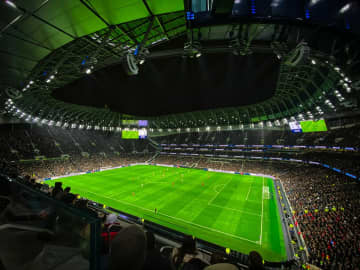
The committee asked for gambling to be removed from all kit, including training kits, and from sports grounds. The Government disagreed "at this time", calling the sponsorship framework "robust", and will monitor the Premier League's voluntary ban, in place since the start of the 2026/27 season. It rejected consulting on a transition for clubs below the Premier League, citing "the significant negative impact this would have on smaller football teams and other sports".

It also rejected statutory limits on sports broadcast, watershed and online advertising, pointing to the voluntary whistle-to-whistle ban and industry code, and bans on "free bet" wording and on inducements, citing consumer law and rules in force since January 2026. An affiliate licensing regime would "require primary legislation, necessitate increased resources, distort the Gambling Commission's remit". Bans on content marketing and on social media gambling ads were called disproportionate or unnecessary. On younger adults it says: "We are not, however, considering restricting gambling advertising for under-25s at this time."
Where the Government Agreed
The Government agreed to remedy section 333(6) of the Gambling Act 2005, which it says limits the Secretary of State's powers over online gambling advertising, "once an appropriate legislative vehicle has been identified and parliamentary time allows". It agreed that displacement claims should not block action, stating that the threat "does exist, however this does not mean that we should avoid appropriate controls on licensed operators". It committed the Illegal Gambling Taskforce to the committee's proposals on unlicensed operators' social media and influencer content, and agreed to explore a kitemark for licensed operators.
The Gambling Commission's annex says a single advertising regulator is not "necessary or proportionate" and that it has seen no recent marketing breaches like its cases against Betway, Sky Bet and LeoVegas.
Awaiting the Evaluation
The response's recurring answer is that the White Paper measures need time. It says the NatCen evaluation for the Gambling Act Review, covering the marketing and incentive changes, is expected "to report before the end of the year", and that the Government "will not hesitate to take further action where it is warranted".
Displacement and the Black Market
The Government accepts that unproven displacement claims should not stop action and cites Commission research that illegal gambling is "usually supplementary to legal gambling, rather than a substitution". Yet its rejection of a ban rests partly on the risk that consumers could find licensed and black market brands harder to tell apart. The Commission's annex says it will increasingly follow the money behind illegal operators.
Sponsorship Stays Voluntary
The committee wanted training kits covered; a University of Bristol count found branding moved to sleeves and training kits after the Premier League ban. The response lists the consultation on unlicensed sponsorship among its measures but gives no decision on it.