
Polymarket Sues Ohio Under the Commerce Clause, Calling Its Sports Gaming Licences Protectionist
 By Antonina Tupikova · Founder, iGaming Times3 min read
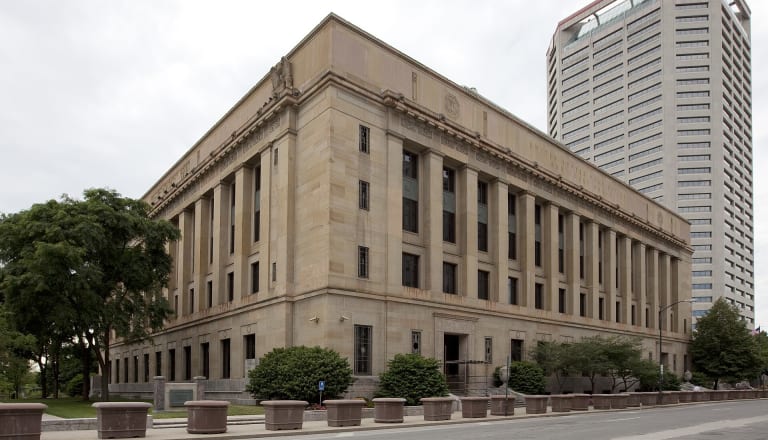
Polymarket's US exchange went to federal court in Columbus on the day Ohio's cease-and-desist deadline expired, leading with a constitutional claim the Sixth Circuit has not decided. Governor Mike DeWine says the state will now file suits of its own.
- QCX LLC, which trades as Polymarket US, sued Ohio's attorney general and the Ohio Casino Control Commission in federal court on Friday 16 October, the deadline in the commission's cease-and-desist letter over sports event contracts
- Its lead claim is that Ohio's sports gaming licences, open only to businesses with an Ohio base or an Ohio partner, breach the Commerce Clause; its second is Commodity Exchange Act preemption
- The complaint argues that the Sixth Circuit's ruling for Ohio against Kalshi predates the CFTC's 9 October swap rules, and that the ruling itself bars Ohio from licensing a federally designated exchange
- Governor Mike DeWine said on 14 October that Ohio's cease-and-desist letters "are not self-executing" and that the state will "go out and file these suits"; Attorney General Andy Wilson said the companies must comply "or we're gonna force them into compliance"
- Two Democratic bills would make sports event contracts regulated, taxable sports gaming (SB 430) and ban election betting on prediction markets (SB 479); neither has gained traction, according to the Statehouse News Bureau
Polymarket Answers Ohio's Deadline With a Constitutional Claim
QCX LLC, doing business as Polymarket US, filed its 46-page complaint in the US District Court for the Southern District of Ohio in Columbus on 16 October (No. 2:26-cv-01502), and the case is assigned to Judge Douglas R. Cole. It names Attorney General Andy Wilson, Interim Executive Director Andromeda Morrison, chair Thomas J. Stickrath and the commission's six other members.
The 2 October letter, one of 10 the commission sent that day, said Polymarket "is operating online sports gaming" and was "clearly engaged in bookmaking", gave it 14 days to confirm compliance and warned of "administrative, civil, nuisance, or criminal actions", according to the complaint. It was addressed to "PM US Tech (QC Tech LLC)", the complaint notes, not to QCX LLC, which the CFTC designated as a contract market in July 2025.
Count one, brought under 42 U.S.C. § 1983, says Ohio's sports gaming regime discriminates against interstate commerce. Type A licences go only to applicants with "at least one operational place of business in this state" or an Ohio gaming facility, with preference for sports teams, casinos and video lottery agents; the server accepting wagers must be in Ohio; and bets may come only from people in the state. Out-of-state operators get in only under contract with an Ohio proprietor, and the complaint cites an August 2025 commission letter warning licensees that partnering with prediction markets could bear on their "continued suitability". It relies on Granholm v. Heald, the 2005 Supreme Court wine-shipping ruling, and a 2000 Sixth Circuit ruling against an Ohio rule making out-of-state truck makers sell through Ohio dealers.

Count two pleads preemption under the Commodity Exchange Act. Polymarket seeks a declaration that Ohio's gambling chapters are unconstitutional as applied to it and preempted, injunctions and its legal fees. No preliminary injunction motion had been filed by 19 October, the docket shows.
How the Complaint Handles the Sixth Circuit
On 25 September the Sixth Circuit held, in KalshiEX LLC v. Schuler, that Kalshi was unlikely to show its sports contracts are swaps, and that the Act would not preempt Ohio law even if they were. That binds Judge Cole. The complaint says Schuler was "decided against a different legal landscape", before the CFTC's interim final rule and proposal to define event contracts as swaps. It also quotes the opinion back at Ohio: Schuler said the CFTC's exclusive jurisdiction "displaces direct enforcement and regulatory authority pertaining to the licensing and operation of" designated contract markets, and the letter orders Polymarket to stop "operating" one that serves Ohioans.
The Governor Promises Suits
DeWine told reporters on 14 October that he had seen the platforms' advertising during baseball games. "This is pure and simple gambling," he said, according to the Statehouse News Bureau. "These are not self-executing. You have to actually go out and file these suits, and that's what we are going to do." In September he called the companies "pigs" and said Ohio would "certainly enforce the law".
Wilson told News 5 Cleveland that "the law is on our side" and that he could recoup what the companies have made from sports contracts in Ohio. By the end of the deadline day most platforms were still live and unchanged, News 5 reported, though Plus500US had told the commission it would stop; Polymarket and Robinhood sent statements stressing federal oversight.
The legislative route is slower. SB 430, from Democratic Senator Bill DeMora, would make "using a prediction market to trade event contracts on sporting events" regulated sports gaming; it is in committee. SB 479, also his, would make trading election event contracts on a prediction market "election gambling", a prohibited scheme of chance; it shows no committee step, according to the legislature's website.
The Commerce Clause Is the Argument the Sixth Circuit Left Open
Polymarket is leading with a claim the Sixth Circuit has not ruled on. Judge Cole must follow Schuler on preemption, so count two reads largely as preserving the point for the Supreme Court, where New Jersey's Kalshi petition is pending. Count one asks a question the appeals court did not decide, on precedent from the same court against the same state, and it does not depend on whether a sports contract is a swap. It has weaknesses: courts give states wide latitude over gambling, and in-state server and geolocation rules are standard across US sports betting, not an Ohio peculiarity.
Ohio's Licensee List Cuts Both Ways
The complaint's own evidence is the state's best answer. FanDuel, DraftKings, BetMGM, Caesars, bet365, Fanatics and ESPN Bet, none of them Ohio companies, all serve Ohioans under contract with Ohio proprietors, it says. Ohio can argue the route is open to Polymarket on the same terms; Polymarket points to the commission's warning to proprietors. Even a win may be narrower than the relief sought: a court could strike the server rule and leave the licence requirement standing. The exchanges that sued Missouri last week argue preemption alone, so Ohio is the case to watch for the constitutional argument.
Enforcement Now Depends on Wilson Filing First
The governor concedes that letters do nothing on their own. Ohio's leverage is a suit for the civil penalty its letters threaten, equal to what each company made in Ohio, and by filing first Polymarket has in effect chosen a federal forum. The bills matter less: SB 430 would write into statute what the commission already claims, and neither has a Republican sponsor in a Republican-controlled legislature.
Ohio has won the preemption argument in its own circuit and is now being asked to defend the design of its licensing system instead. The next filing that matters is Wilson's, and whether it comes before Judge Cole rules.


