Wisconsin Tribal Online Betting Pushed Into 2027 as Judge Sets April Hearing
 By Antonina Tupikova · Founder, iGaming Times2 min read
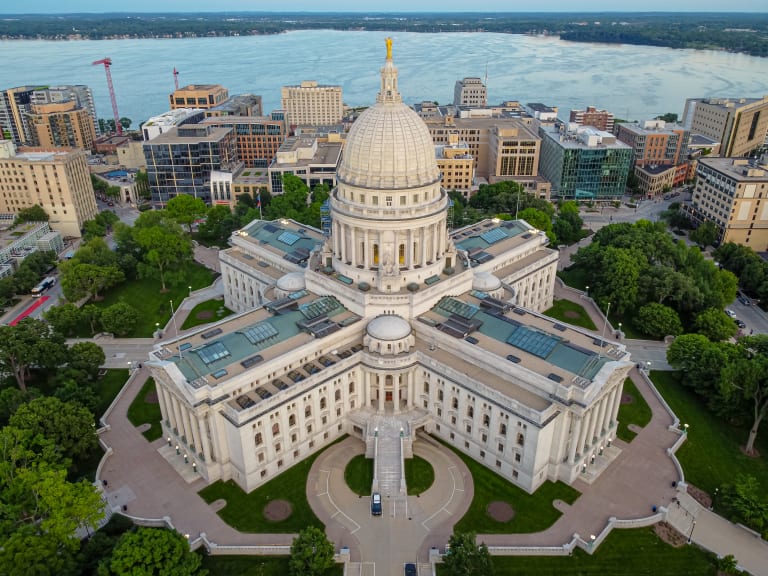
A Waukesha County judge has let eight tribes join the defence of Act 247 and scheduled oral arguments for 20 April 2027. With compacts still to be renegotiated and federally approved after any ruling, statewide mobile wagering is now a 2027 question at the earliest.
- Waukesha County Circuit Judge J. Arthur Melvin on 9 November allowed eight Wisconsin tribes to intervene in defence of 2025 Wisconsin Act 247, the law that lets tribes offer statewide mobile sports betting
- The judge set oral arguments for 20 April 2027, with a ruling expected in May, according to reports of the hearing
- The plaintiffs, represented by the Wisconsin Institute for Law and Liberty (WILL), will amend their complaint by 10 December to address the anti-preference amendment voters approved on 3 November
- The suit, filed in August, argues the 1993 constitutional ban on new gambling bars the law, and that a tribal-only benefit breaches equal protection
- Even a state win leaves compact amendments and federal approval to complete, under a governor not yet in office
Judge Melvin Lets Eight Tribes Defend the Law and Sets an April Hearing
Judge Melvin heard the case, brought by the Brown County Taxpayers Association and Citizens Defending Liberty against Governor Tony Evers and three state officials, on Monday 9 November. According to Fox6 and InGame, he granted intervention to the Bad River Band of the Lake Superior Tribe of Chippewa Indians, the Forest County Potawatomi Community, the Ho-Chunk Nation, the Menominee Indian Tribe of Wisconsin, the Oneida Nation, the Red Cliff Band of Lake Superior Chippewa Indians, the Sokaogon Chippewa Community and the Stockbridge-Munsee Community. Three of the state's 11 tribes are not among them. In October eight tribes asked for the suit to be dismissed, Fox11 reported.
According to InGame, the amended complaint is due by 10 December, the plaintiffs' brief by 2 February 2027, the defendants' brief by 2 March, the plaintiffs' response by 23 March and the defendants' response by 6 April. Oral argument follows on 20 April, with a ruling expected shortly after. InGame also reports that the tribes have 30 days to seek removal to federal court.
The Wisconsin Department of Justice, defending the law, argued in a September answer that the plaintiffs lack standing, Fox11 reported.
What the Complaint Asks For
The complaint, dated 5 August, targets the change Act 247 makes to the definition of a "bet" in Wisconsin's criminal code. The Act excludes a sports wager placed by someone physically in the state on a mobile device if the server is on a tribe's Indian lands in Wisconsin and the wager is conducted under a compact first entered into before 1 April 1993.

WILL argues that this authorises gambling, which Article IV, Section 24 of the state constitution has barred since 1993 beyond bingo, raffles, pari-mutuel on-track betting and the lottery, and asks the court to block any compact amendment implementing it. A further claim says a benefit allocated by tribal membership, which the plaintiffs treat as race, breaches the Fourteenth Amendment.
Evers signed the bill, Assembly Bill 601, on 9 April. His signing statement rejected any plan leaving smaller tribes "only crumbs" and backed a joint venture in which all 11 tribes contribute and benefit in equal shares.
The New Amendment Gives the Plaintiffs a Second Equal Treatment Argument
On 3 November Wisconsin voters approved, by 56.4% to 43.6% according to Wisconsin Watch, an amendment barring government from discriminating or granting preferential treatment on the basis of race, ethnicity, nationality or sex. WILL campaigned for it, and plaintiffs' attorney Lucas Vebber said the complaint would be amended to address it, Fox6 reports. The federal claim must overcome Morton v Mancari, which treats tribal membership as a political classification rather than a racial one. A claim under the new state text asks a state judge to read it afresh, with federal precedent persuasive rather than binding.
Launch Still Needs New Compacts, Federal Approval and a New Governor
A May ruling is only the first hurdle, and the losing side can appeal. If the Act survives, each tribe needs a compact amendment that the US Department of the Interior must approve or let take effect, with notice in the Federal Register. Evers, who did not seek re-election, leaves office in January, and his successor inherits the negotiations; InGame notes that the governor-elect's position is unclear.
The Joint Venture Model Needs All 11 Tribes
Evers made equal participation by all 11 tribes his test, yet only eight have joined the defence. That may reflect litigation choices rather than a split over the law. But his equal shares model needs every tribe, and his successor must decide whether to keep that condition while California's tribes pursue their own route to online wagering. Florida's Seminole Tribe, which runs statewide mobile betting on the same server-location model, saw its 2021 launch halted by a federal court before an appeal succeeded in 2023.
The schedule rules out a 2026 launch and makes most of 2027 uncertain. Wisconsin's tribes now need a court win, a new governor's agreement and federal approval, in that order.